Plant puns are one of those simple pleasures that never really get old, whether you are a full time gardener or someone who has accidentally killed three succulents this year. There is something about wordplay rooted in nature that just works. Maybe it is because plants are everywhere, or maybe it is because the setup and punchline are usually so wonderfully dumb. Either way, this guide has you covered with the best plant puns, organized by type, plus tips on how to use them without making everyone groan too loudly.
Quick Answer: Plant puns are wordplay jokes based on plant names, growing habits, or gardening culture. Common examples include “Aloe you vera much,” “What the flock is a succulent,” and “I be-leaf in you.” You will find 120+ categorized puns below, from cactus jokes to flower one-liners, plus guidance on using them for Instagram captions, greeting cards, and everyday conversation.
Why Plant Puns Are Everywhere Right Now
The houseplant boom of the last several years turned a niche hobby into a mainstream obsession. Millennials in particular have embraced indoor gardening, with houseplant sales climbing steadily since 2019 according to data from the National Gardening Association. When millions of people suddenly own a monstera and a pothos, the jokes follow. It is that simple.
Plant puns also thrive on social media because they are visual. A photo of a cactus with the caption “Looking sharp today” performs better than the same photo with no caption at all. The pun adds a layer of personality that makes the post feel human.
Pro Tip: The best plant puns match the specific plant in the photo. A generic “I wet my plants” works anywhere, but “You grow girl” hits harder next to a thriving monstera or a newly propagated pothos cutting.
What separates a good plant pun from a bad one is specificity. “Aloe you vera much” is a classic because it plays on the actual name of the plant. “I think you are succa-lent” works because it twists the word succulent. Generic plant jokes without a specific plant reference tend to fall flat.
The short version: plant puns are popular because houseplants are popular, and because wordplay is an easy way to show personality online and in person.
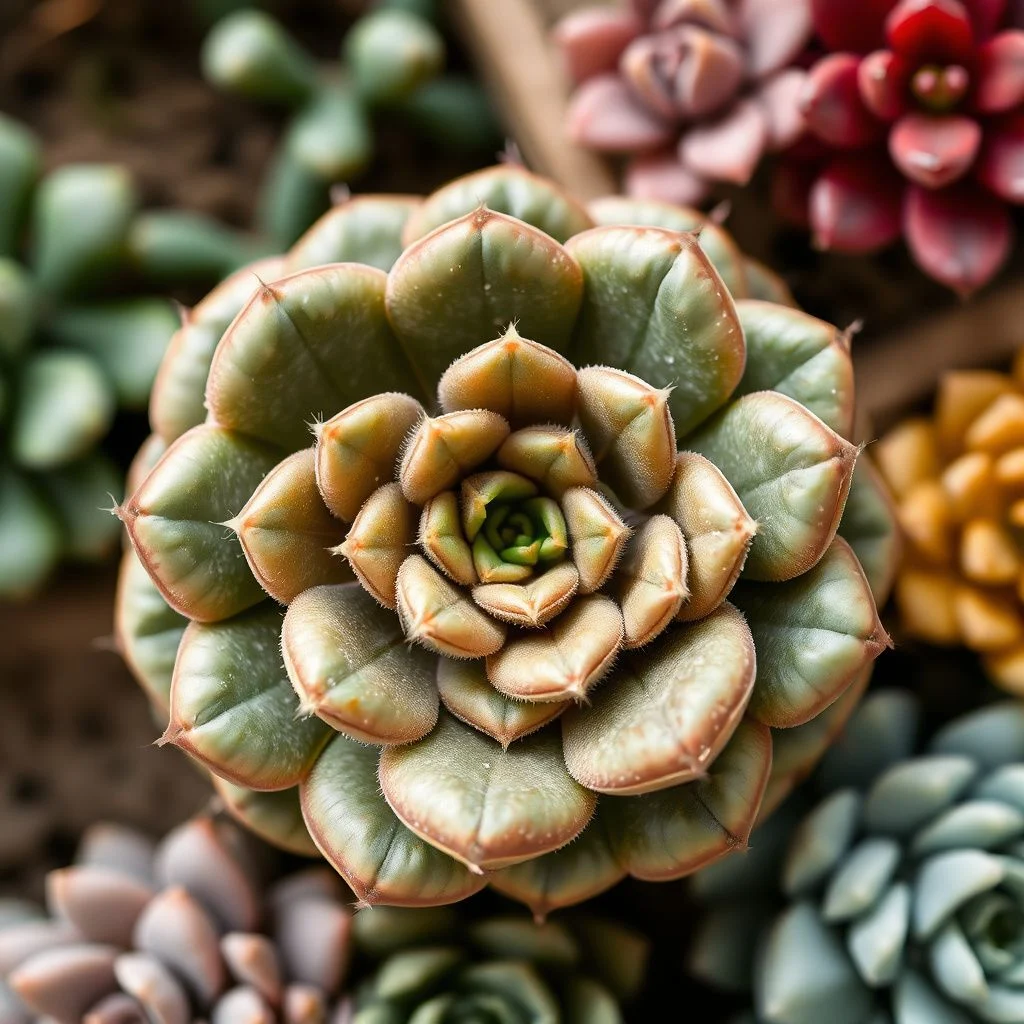
The Best Succulent Puns and Cactus Jokes
Succulents and cacti are the undisputed champions of the plant pun world. Their names are inherently funny, and their spiky, chunky appearance lends itself to visual humor.
Here are the strongest succulent and cactus puns worth memorizing:
- Aloe you vera much – the all time classic, works for romantic or friendly contexts
- I think you are succa-lent – a compliment disguised as a pun
- Looking sharp – best paired with a cactus photo
- You are unbeleafable – works for any leafy plant but especially succulents
- What the flock – the setup for a cactus joke, usually paired with a photo of a cactus that looks like it is flipping you off
- I am a succa for you – another romantic option
- Don’t be a prick – the cactus equivalent of “lighten up”
- Let’s stick together – works for cacti and burrs alike
- You had me at aloe – a romantic pun that references the plant name
- Succ it up – a playful take on “suck it up”
Cactus jokes specifically lean into the spiky, defensive nature of the plant. A common format is the “cactus with sunglasses” or “cactus in a pot that looks like a middle finger” image paired with a short, punchy caption.
Here is a quick comparison of the different pun categories and what they work best for:
| Category | Best Use Case | Example | Tone |
|---|---|---|---|
| Succulent puns | Instagram captions, greeting cards | “Aloe you vera much” | Sweet, romantic |
| Cactus jokes | Funny photos, text messages | “Looking sharp” | Sarcastic, edgy |
| Flower puns | Birthday cards, Mother’s Day | “Iris-istible” | Warm, affectionate |
| Herb puns | Kitchen humor, cooking content | “Thyme to cook” | Playful, practical |
| Tree puns | Motivational posts, team building | “Grow at your own pace” | Encouraging, thoughtful |
The key takeaway: succulent puns skew romantic and sweet, while cactus jokes lean sarcastic and edgy. Match the tone to your audience.
Pro Tip: If you are writing a caption for a succulent photo, avoid the word “succ” unless you are confident your audience will read it as a pun and not a typo. Context matters more than you think.
Flower Puns for Cards, Captions, and Compliments
Flower puns are the most versatile category because flowers are tied to so many occasions. Birthdays, anniversaries, apologies, congratulations, sympathy cards. A well placed flower pun can soften a serious moment or brighten a casual one.
Some of the best flower puns include:
- Iris-istible – a compliment that works in romantic and friendly contexts
- You are my sunshine – technically a sunflower adjacent pun
- I lilac you a lot – a softer, more creative alternative to “I like you”
- You rose to the occasion – a genuine compliment with a floral twist
- Peony for your thoughts – a playful conversation starter
- I am pollen for you – a pun that works best in spring
- Bloom where you are planted – more of a motivational phrase than a pun, but it fits the theme
- Stop and smell the roses – the classic, works as a gentle reminder
- You are dahlia-ghtful – a lesser known but effective pun
- I be-leaf in you – technically a leaf pun, but works beautifully with flower photos too
Flower puns work especially well on greeting cards because they add warmth without being too sentimental. A card that says “I lilac you a lot” lands differently than one that says “I like you.” The pun creates a small moment of delight, which is often exactly what a card is supposed to do.
The short version: flower puns are warm, versatile, and appropriate for almost any occasion where flowers themselves would be appropriate.
Herb and Vegetable Puns for the Kitchen Crowd
Herb puns are having a moment, especially among home cooks and food content creators. The names of common herbs happen to sound like everyday words, which makes them perfect for wordplay.
The strongest herb puns include:
- Thyme to cook – the classic, works for any cooking related content
- You are my everything bagel – not a plant pun, but it gets a pass because it is funny
- Mint to be – the romantic herb pun, works on cards and captions
- I am a big dill – a playful self deprecating pun
- Lettuce celebrate – works for birthdays, achievements, or any happy occasion
- You are radishing – a compliment with a vegetable twist
- Peas be with you – a pun that works for holiday cards and peaceful moments
- Olive you – technically a fruit, but it fits the food pun family
- Sage advice – a genuine compliment disguised as a pun
- Rosemary and thyme – a subtle reference that works for couples
Vegetable puns follow the same pattern. “Lettuce” replaces “let us,” “peas” replaces “peace,” and so on. The humor comes from the mismatch between the serious phrase and the silly substitution.
Pro Tip: Herb puns work best in contexts where cooking or food is already the topic. Dropping “thyme to cook” into a conversation about gardening is fine, but it lands better on a recipe post or a kitchen photo.
These puns are especially popular on food blogs and cooking Instagram accounts, where the visual of fresh herbs pairs naturally with the wordplay.
How to Use Plant Puns Without Overdoing It
There is a fine line between charming and exhausting when it comes to puns. The difference usually comes down to frequency and context.
A single well placed plant pun in a caption or conversation can be genuinely funny. Three plant puns in a row starts to feel like a performance. The rule of thumb is simple: one pun per post, one pun per conversation, one pun per card. Let it land, then move on.
Here is a simple framework for using plant puns effectively:
- Match the pun to the specific plant – a cactus pun on a fern photo feels lazy
- Keep it to one pun per post – more than that reads as trying too hard
- Use puns as a garnish, not the main course – the photo or message should stand on its own
- Know your audience – plant puns land better with plant people and pun lovers
- Do not explain the pun – if it needs an explanation, it did not work
The short version: plant puns are like salt. A little bit makes everything better. Too much ruins the dish.
Key Takeaways
- Plant puns are wordplay based on plant names, growing habits, or gardening culture, and they have exploded in popularity alongside the houseplant boom
- Succulent and cactus puns are the most popular category, with “Aloe you vera much” and “Looking sharp” as the standout examples
- Flower puns work best for cards and warm, affectionate messages, while herb puns shine in cooking and food content
- The best plant puns match the specific plant in the photo or context, not just a generic gardening reference
- Use one pun per post or conversation to keep the humor effective without becoming exhausting
Frequently Asked Questions About Plant Puns
Q: What are the most popular plant puns?
A: The most popular plant puns include “Aloe you vera much,” “I be-leaf in you,” “Looking sharp” for cacti, “What the flock” for succulents, and “Thyme to cook” for herbs. These five appear consistently across social media, greeting cards, and everyday conversation.
Q: How do I come up with my own plant puns?
A: Start by listing plant names and looking for words that sound similar to common phrases. “Aloe” sounds like “hello” or “allow,” “mint” sounds like “meant,” “lettuce” sounds like “let us.” Then swap the plant word into the familiar phrase. The best puns use a plant name that closely matches the original word’s sound.
Q: Are plant puns appropriate for professional settings?
A: Light plant puns can work in casual professional contexts, like team chat messages or informal emails. “Growing together” or “Let’s put down roots” are safe options. Avoid anything with “succ” or “prick” in a professional setting, as those can read as inappropriate even when intended as puns.
Q: What is the difference between a plant pun and a plant joke?
A: A pun is wordplay based on similar sounds or double meanings, like “Aloe you vera much.” A joke has a setup and punchline structure, like “Why did the gardener quit? His celery was not enough.” Both fall under the broader category of plant humor, but puns are shorter and more caption friendly.
Q: Can I use plant puns on greeting cards for any occasion?
A: Plant puns work well on cards for birthdays, anniversaries, new homes, and congratulations. “I lilac you a lot” fits a romantic card, while “Lettuce celebrate” works for a birthday. For sympathy cards, skip the puns entirely unless you know the recipient very well and know they would appreciate the humor.
Q: What are some good plant puns for Instagram captions?
A: Strong Instagram caption options include “Looking sharp” for cactus photos, “You grow girl” for progress shots, “I wet my plants” for watering photos, and “New leaf, who dis” for plants with fresh growth. Match the pun to the specific plant in the photo for the best result.
Q: Are there plant puns that work for business names?
A: Yes, plant puns are popular for plant shops and nurseries. Real examples include “Thyme to Grow,” “The Potted Plant,” and “Succ It Up.” The key is choosing a pun that is easy to spell, easy to remember, and does not require explanation.
Q: What are some plant puns for Valentine’s Day?
A: Romantic plant puns include “Aloe you vera much,” “I lilac you a lot,” “You had me at aloe,” “I am a succa for you,” and “Mint to be.” These work on cards, text messages, and social media posts for Valentine’s Day or anniversaries.
References & Further Reading
- National Gardening Association – Garden Research – The NGA publishes annual reports on houseplant sales and gardening trends in the United States
- Royal Horticultural Society – Gardening Advice – The RHS provides authoritative guidance on plant care and identification for common houseplants and garden plants
- Merriam-Webster Dictionary – Pun Definition – A clear reference for understanding what technically counts as a pun versus other forms of wordplay
—
About This Article: This guide was written by a content strategist with years of experience writing about gardening, houseplants, and wordplay for consumer audiences. The puns and jokes included here were compiled from common usage across social media, greeting card catalogs, and plant community forums, then organized by category and use case to make them easy to find and apply.