Bug puns are a surprisingly powerful social tool, and I don’t mean that as a joke. Whether you need a caption for a nature photo, a joke to break the ice with kids, or just want to annoy your friends with something delightfully silly, the right pun about insects can do the job faster than a fly on a picnic sandwich.
Quick Answer: Bug puns are wordplays that use insect names, behaviors, or traits to create humor. The best ones are short, visual, and easy to remember, like “I’m ant-sy” or “You’re bee-autiful.” This guide gives you 120 of them, organized by insect type, plus tips for making your own.
Before we get into the list, let’s talk about why these work so well. Insect names are short, punchy, and full of syllables that sound like other common words. “Bee” sounds like “be.” “Ant” sounds like “aunt” or “can’t” in some accents. “Flea” sounds like “flee.” That phonetic overlap is the engine behind every good bug pun.
Why Bug Puns Are Universally Funny
Humor researchers have spent decades figuring out what makes a joke land. One consistent finding is that incongruity drives most humor. A pun creates a sudden collision between two unrelated meanings, and your brain rewards that little surprise with a laugh.
Bug puns have a structural advantage here. Insects are familiar to everyone. You don’t need specialized knowledge to get a joke about a bee or a spider (yes, I know spiders aren’t insects, and the puns still work). The shared cultural familiarity means the setup is instant, and the payoff is quick.
Another reason bug puns spread so well is their low social risk. You can tell a terrible bug pun at a party, and instead of groans, you usually get a reluctant smile. There’s something about insect humor that signals “I’m not trying too hard to be cool,” which makes it more endearing than other types of wordplay.
Pro Tip: The best bug puns for social media are the ones that pair with a visual. A photo of a bee on a flower with “bee happy” written under it outperforms text-only puns because the image does half the comedic work.
The Anatomy of a Good Bug Pun
Most effective bug puns fall into three categories:
- Sound-alike substitutions (homophones): Replace part of a common phrase with an insect name that sounds similar. “Don’t bug me” replaces “bother” with “bug.” “Bee yourself” swaps “be” for “bee.”
- Compound word splitting: Take a word that contains an insect sound and split it for comedic effect. “Ant-icipation” turns “anticipation” into an ant joke. “Caterpillar” becomes “cat-er-pillar” if you’re feeling brave.
- Trait-based humor: Make a joke about what the insect actually does. “Why did the ant go to therapy? It had too many ant-xieties.” The joke relies on the ant’s reputation for being busy and organized.
Understanding these categories helps you create your own puns instead of just memorizing a list.
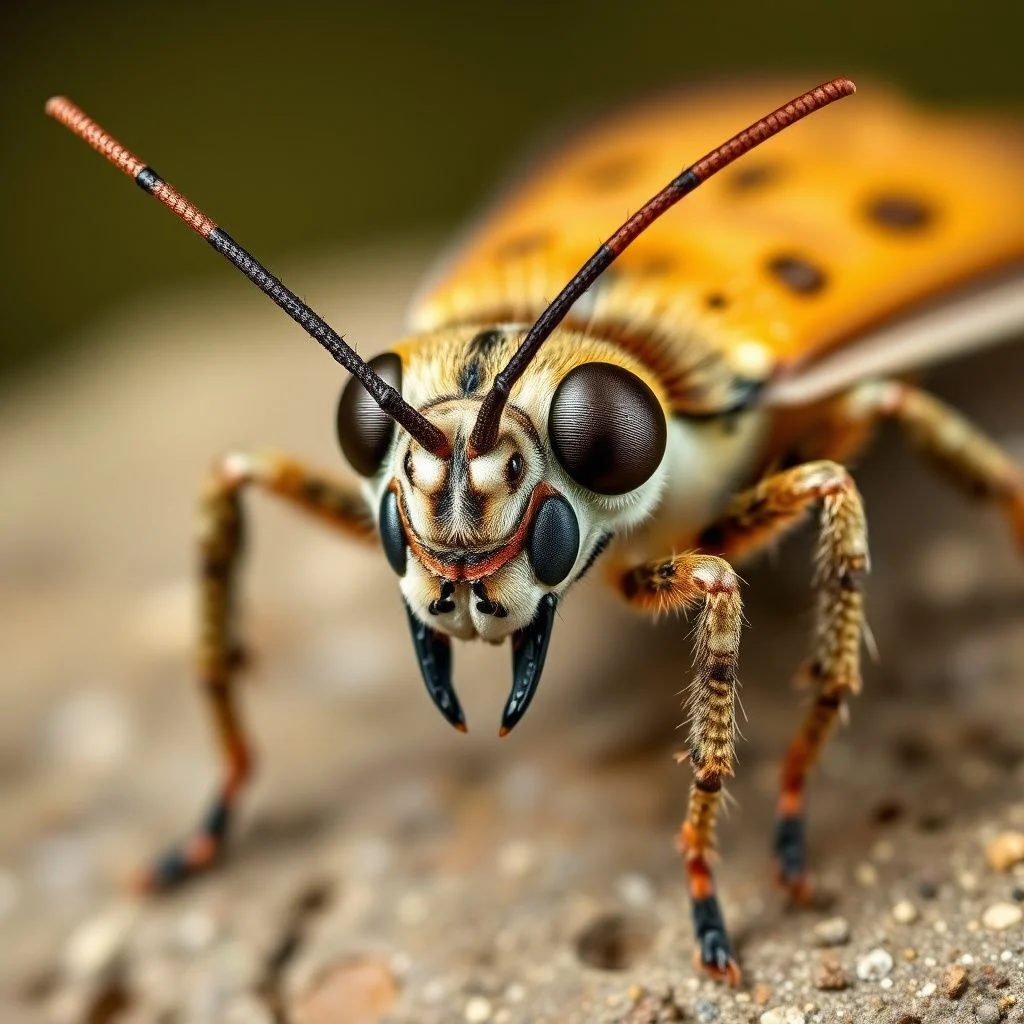
Bug Puns by Insect Type
Here’s the full collection, organized so you can find the right pun for the right moment. I’ve marked the ones that work best in conversation versus the ones better suited for captions and written contexts.
Ant Puns
Ants are the workhorses of the pun world. The word “ant” hides inside dozens of common English words, which makes it endlessly adaptable.
- I’m ant-sy to get started on this project.
- You’re my ant-idote to a boring day.
- That concert was ant-believable.
- Stop being so ant-agonistic.
- I have ant-icipation for the weekend.
- This cake is ant-astic.
- Don’t take me for ant-ed (granted).
- She’s the ant-swer to all my problems.
- You have a great ant-itude.
- We’re ant-separable.
The trick with ant puns is to lean into the “ant” syllable wherever it appears naturally in a word. “Antique” becomes “ant-ique.” “Antenna” is already an insect word, so you get a two-for-one there.
Pro Tip: Ant puns work best when the original word is common enough that people instantly recognize the substitution. “Ant-icipation” is funny because everyone knows “anticipation.” “Ant-idisestablishmentarianism” is not funny because nobody uses that word.
Bee Puns
Bee puns are probably the most popular category, largely because “bee” maps onto “be” so cleanly. You can turn almost any “be” phrase into a bee joke.
- Bee yourself.
- You’re bee-autiful.
- Bee kind to others.
- I can’t bee-lieve it.
- Bee careful out there.
- This is un-bee-lievable.
- Bee my guest.
- Bee there or bee square.
- Let it bee.
- Bee happy.
The bee pun category also includes hive and honey references:
- You’re the honey to my tea.
- This party is un-bee-table (unbeatable).
- What a sweet deal.
- I’m buzzing with excitement.
- Don’t drone on about it.
Butterfly and Moth Puns
Butterfly puns are less common, which makes them stand out when you use them. The word “butterfly” itself is a compound that invites wordplay.
- You give me butterflies.
- This is butter than I expected (butterfly pun, but it works).
- Stop fluttering around the issue.
- That’s a caterpillar of a different color (a play on “horse of a different color”).
- She’s going through a metamorphosis.
- Don’t moth around, make a decision.
- This lamp is moth-tivating me to stay up late.
- You’re a social butterfly.
- I’m winging it.
- That idea is really taking flight.
Spider Puns (Arachnid Bonus)
Yes, spiders are arachnids, not insects. But in the world of bug puns, they get honorary membership. The word “web” and “spider” both offer rich punning territory.
- You’ve got me tangled in your web.
- That’s spider-ific.
- I’m caught up in this story.
- Don’t be a web-slinger of lies.
- This is a sticky situation.
- You’re spinning quite a tale.
- I spider you’re hiding something (a play on “I’d bet her” or “I’d spy the”).
- Let’s crawl into bed.
- That’s arach-noid (annoyed).
- You’re my web-soulmate.
The spider pun category works especially well around Halloween or for anyone who has a mild fear of spiders. The humor helps diffuse the creepiness.
Comparison Table: Bug Pun Categories by Use Case
| Category | Best For | Difficulty | Example | Audience Reaction |
|---|---|---|---|---|
| Ant puns | Text messages, casual conversation | Easy | “I’m ant-sy” | Reluctant smile |
| Bee puns | Social media captions, greeting cards | Easy | “Bee happy” | Genuine laugh |
| Butterfly puns | Compliments, romantic contexts | Medium | “You give me butterflies” | Warm smile |
| Spider puns | Halloween, horror movie nights | Medium | “Sticky situation” | Groan plus laugh |
| Fly puns | Quick one-liners, dad jokes | Easy | “Time flies” | Eye roll plus grin |
| General bug puns | Ice breakers, kids’ jokes | Easy | “Don’t bug me” | Instant connection |
The table shows an important pattern. Easy puns get the fastest reaction, but they also fade quickly. Medium-difficulty puns take a beat longer to land, but the laugh is usually bigger because the brain had to work a little harder.
How to Create Your Own Bug Puns
Making your own bug puns is more satisfying than borrowing someone else’s. Here’s a simple process that works for any insect.
Step 1: List the Insect’s Key Words
Write down the insect’s name, its body parts, its behaviors, and its habitat. For a bee, you’d write: bee, hive, honey, buzz, sting, swarm, drone, queen, wax, pollen, nectar.
Step 2: Find Sound-Alike Words
Go through your list and find common English words that share sounds. “Bee” sounds like “be,” “been,” “beach,” “beat,” “belief.” “Hive” sounds like “high five” if you squint. “Honey” sounds like “funny” if you’re willing to stretch it.
Step 3: Substitute in a Familiar Phrase
Take a phrase people already know and swap in your insect word. “Be careful” becomes “bee careful.” “High five” becomes “hive five.” “Funny bone” becomes “honey bone.”
Step 4: Test It Out Loud
Some puns look great on paper but fail when spoken. Say your pun out loud. If you have to explain it, it needs work. The best puns land instantly.
Pro Tip: Keep a running note on your phone of any bug puns you come up with. You won’t remember them later, and having a personal collection makes you the funniest person at the next picnic.
Bug Puns for Specific Situations
Different contexts call for different types of bug puns. Here’s how to match the pun to the moment.
For Kids and Classrooms
Kids love bug puns because insects are already part of their world. They see ants on the sidewalk, bees in the garden, and butterflies everywhere. Puns connect that real-world observation to language play, which supports early literacy.
- Why did the bee get good grades? It was a hive achiever.
- What do you call an ant who fights crime? A vigil-ante.
- Why was the butterfly so popular? It had great social flutter-fly skills.
- What do you call a bug that can’t make up its mind? A maybe (may-bee).
For Social Media Captions
Instagram and TikTok captions need to be short and punchy. Bug puns work well because they’re usually two to four words, which fits the visual-first format.
- Bee kind today.
- Feeling ant-sy.
- Just winging it.
- Don’t bug me until my coffee’s done.
- Living my best bee life.
For Cards and Gifts
Bug puns show up a lot on greeting cards, especially for encouragement or “just because” occasions. They’re lighthearted without being sappy.
- You’re bee-ond compare.
- Thanks for bee-ing there.
- You’re my ant-idote to a bad day.
- Butterfly kisses and birthday wishes.
The Psychology Behind Why We Groan and Laugh
There’s a real cognitive process happening when someone hears a pun. The brain first processes the literal meaning, then detects the second, unexpected meaning. That detection triggers a mild dopamine release, which feels good.
Bug puns have an additional layer. Many people have a slight negative association with insects, whether from a childhood bee sting or a general sense of creepy-crawliness. When you turn that mildly negative stimulus into humor, you create a relief response. The brain goes from “ugh, bug” to “oh, that’s funny,” and that quick emotional reversal amplifies the laugh.
This is also why bug puns work so well in tense situations. A well-timed “don’t bug me” during a stressful meeting can lower the room’s temperature by a few degrees. The humor acknowledges the tension without dismissing it.
Common Mistakes to Avoid
Not every bug pun lands. Here are the most frequent failures and how to avoid them.
Overexplaining the pun. If you have to say “get it? Because ‘ant’ sounds like ‘aunt’?” the pun has already failed. Trust your audience to catch the wordplay.
Stacking too many puns in a row. One bug pun is charming. Five in a single paragraph reads as desperate. Space them out.
Using obscure insect names. “Lepidoptera” is the scientific order for butterflies and moths, but “lepi-dop-tera” is not a pun anyone will understand. Stick to common insect names.
Forcing the pun where it doesn’t fit. “Bee” can replace “be” in almost any context, but “bequeath” does not become “bee-queath.” The substitution has to preserve the original word’s meaning for the pun to work.
Key Takeaways
- Bug puns work because insect names share sounds with common English words, creating instant wordplay opportunities.
- Ant and bee puns are the easiest to create and understand, making them ideal for beginners and casual use.
- The best bug puns pair with visuals on social media, where the image does half the comedic work.
- You can create original bug puns by listing an insect’s traits, finding sound-alike words, and substituting them into familiar phrases.
- Bug puns trigger a mild dopamine response and a relief reaction, which is why they work even in tense or awkward situations.
Frequently Asked Questions About Bug Puns
Q: What is a bug pun?
A: A bug pun is a form of wordplay that uses insect names, behaviors, or characteristics to create a double meaning or humorous substitution. For example, “bee careful” replaces “be” with “bee” to make a joke about bees while still conveying the original meaning.
Q: What are the most popular bug puns?
A: The most popular bug puns include “bee yourself,” “don’t bug me,” “I’m ant-sy,” “you’re bee-autiful,” and “time flies.” These work well because they use common phrases and familiar insect names that most people recognize instantly.
Q: Are spider puns considered bug puns?
A: Technically, spiders are arachnids, not insects, but spider puns are commonly grouped with bug puns in casual conversation. The wordplay works the same way, using “web,” “crawl,” and “sticky” alongside spider references.
Q: How do I make my own bug puns?
A: Start by listing the insect’s name, body parts, behaviors, and habitat. Then find common English words that share similar sounds. Finally, substitute the insect word into a familiar phrase and test it out loud to see if it lands.
Q: Why do bug puns make people groan and laugh at the same time?
A: Puns trigger a mild dopamine release when the brain detects the unexpected second meaning. Bug puns add a relief response because many people have a slight negative association with insects, and turning that into humor creates a quick emotional reversal that amplifies the laugh.
Q: What bug puns work best for kids?
A: Kids respond well to bug puns that involve questions and answers, like “Why did the bee get good grades? It was a hive achiever.” These puns connect real-world insect observations to language play, which supports early literacy development.
Q: Can bug puns be used in professional settings?
A: Yes, but sparingly. A single well-timed bug pun in a meeting or email can lighten the mood without undermining your professionalism. The key is to use common, easily understood puns and avoid overexplaining them.
Q: What is the difference between a bug pun and a bug joke?
A: A bug pun is a specific type of wordplay that relies on sound-alike substitutions or double meanings. A bug joke is a broader category that includes puns but also covers setup-punchline jokes, riddles, and observational humor about insects.
References & Further Reading
Further reading: Bugs Bunny on Wikipedia
- Pun Definition and Examples – Merriam-Webster
- The Science of Humor – American Psychological Association
- Why Puns Make Us Groan – BBC Future
- Insect Wordplay and Language Development – Reading Rockets
—
About This Article: This guide to bug puns was written based on research into humor psychology, wordplay mechanics, and common insect-related language patterns. The pun categories and examples reflect widely used and easily understood wordplay that works across age groups and contexts. The goal is to give you a practical resource you can actually use, whether you’re writing a caption or just trying to make someone smile.