Finding the right spring puns can feel like searching for a four-leaf clover in a field of generic “April showers” jokes. You want something that makes people smile, not groan. Whether you are writing a caption for a photo of your blooming tulips, crafting a funny card for a friend, or just trying to make your coworker laugh during a rainy Tuesday meeting, the right wordplay is a small but mighty tool.
This guide breaks down the best spring puns by category so you can find exactly what you need in seconds. No filler, no forced humor. Just clean, clever lines that work.
Quick Answer: The best spring puns play on the double meaning of words like “bloom,” “showers,” “peep,” and “grow.” They work because spring is already a season of transformation, which gives you a rich vocabulary of renewal, growth, and weather to twist into wordplay.
Why Spring Puns Work So Well
There is a reason these jokes never really go out of style. Spring is a season of contrast. You have rain and sunshine, cold mornings and warm afternoons, dead-looking branches suddenly producing pink blossoms. That contrast creates natural tension, and tension is the foundation of humor.
Puns specifically work because they force your brain to resolve two meanings at once. According to research published in the journal Laterality, pun comprehension activates both the left hemisphere of the brain (which processes language) and the right hemisphere (which processes context and surprise). That little moment of “oh, I get it” releases a small hit of dopamine. It feels good to catch the double meaning.
Spring vocabulary is especially pun-friendly. Consider the word “bloom.” It means to flower, but it also means to flourish or develop. “Showers” can mean rain or a party. “Peep” can be a baby chick or a quick look. “Spring” itself can be a season, a coil, or a leap. That built-in ambiguity gives you a lot of material.
So when you use a spring pun, you are not just being cute. You are giving someone a tiny cognitive puzzle that resolves in a pleasant way. That is why a well-placed pun in a caption or card tends to get a reaction.
Pro Tip: The best spring puns are short. A pun that requires a setup sentence usually falls flat. Keep it to one line, maybe two. If you have to explain it, it is not working.
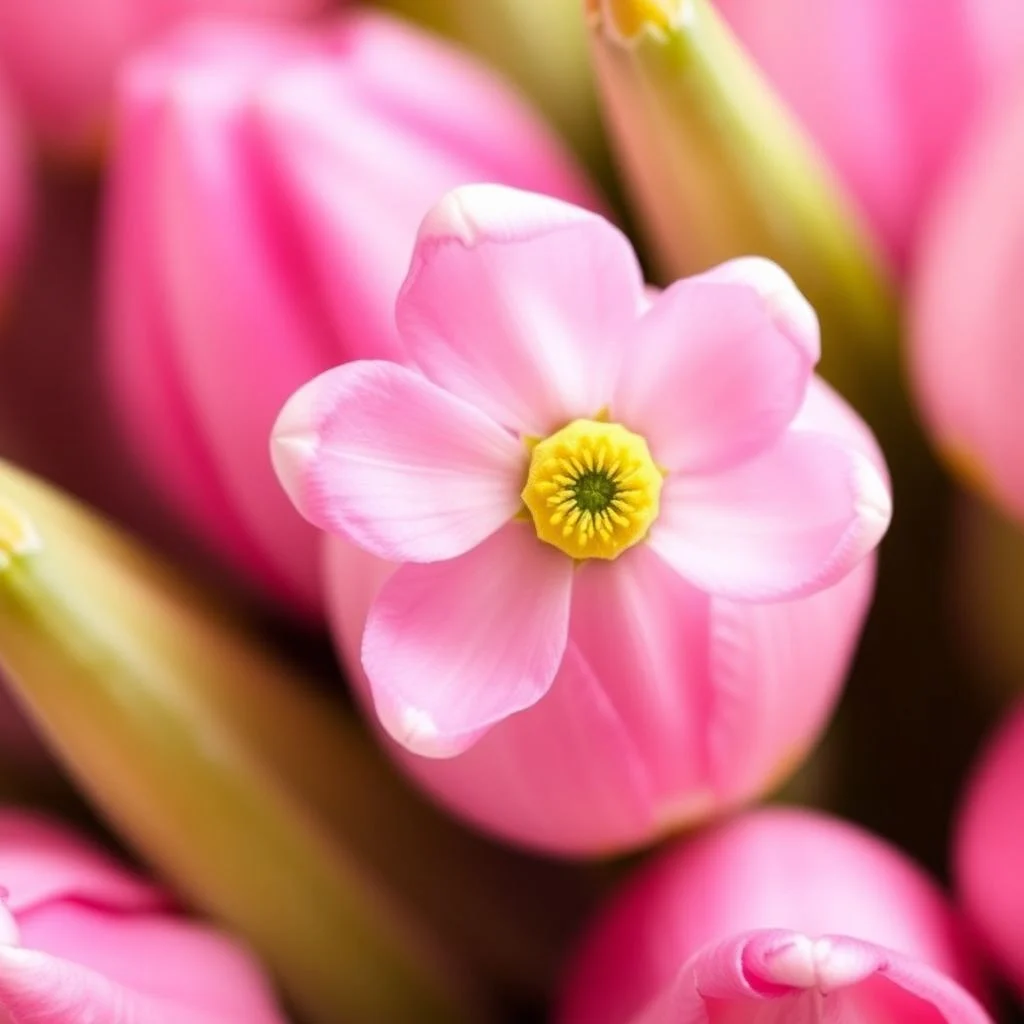
Spring Puns for Instagram Captions and Social Media
Social media puns need to do two jobs: match the photo and stop the scroll. A generic “Spring has sprung!” caption works, but it does not invite engagement. A clever twist does.
Here are some options organized by what you are probably posting.
For flower photos:
- “I wet my plants.”
- “Bloom baby bloom.”
- “You grow, girl.”
- “Petal to the metal.”
- “Life is in full bloom and I am here for it.”
- “What in carnation is going on here?”
- “Stop and smell the roses, but also post them.”
- “Iris-istible.”
- “Lily me tell you something about this weather.”
- “Thistle be the best season yet.”
For rainy day posts:
- “Rain, rain, go away. Actually, stay. I have a good book.”
- “Feeling mist-erious.”
- “No rain, no flowers.”
- “I am under the weather, in a good way.”
- “Puddle jumping my way through April.”
- “Drip, drip, hooray.”
- “This weather is un-be-leaf-able.”
- “Shower me with compliments and also actual rain.”
For outdoor adventure posts:
- “Trail mix and good vibes.”
- “Hiking my way into spring.”
- “Nature called. I answered.”
- “Let the good times grow.”
- “Feeling fern-tastic.”
- “Wildflowers and wilder weekends.”
- “I moss say, this trail is lovely.”
- “Peak season for a reason.”
The key with captions is specificity. A caption that mentions the actual flower or activity in your photo will always outperform a generic seasonal line. If you are posting a photo of daffodils, use a daffodil pun. If you are posting a rainy window, use a rain pun.
Pro Tip: Pair a pun caption with a simple emoji or two. A flower emoji after “Petal to the metal” reinforces the joke visually and helps with engagement. Do not overdo it. One or two max.
Spring Puns for Teachers and Classrooms
Teachers have a special relationship with spring. It is the home stretch of the school year, energy is high, and everyone is counting down to summer. A little seasonal wordplay goes a long way in a classroom.
For bulletin boards:
- “We are blooming with knowledge.”
- “Spring into reading.”
- “Growing great minds.”
- “Our class is un-be-leaf-able.”
- “Watch us grow.”
- “Learning is in full bloom.”
For worksheets and assignments:
- “You are one smart cookie. That is not a spring pun, but it is still true.”
- “A little rain never hurt a growing brain.”
- “Bee the best student you can be.”
- “Hop to it.”
For end-of-year activities:
- “Time to spring clean those desks.”
- “We are almost there. Lettuce celebrate.”
- “Donut forget how far you have come this year.”
- “Peas out, school year.”
Teachers often use these on door decorations, morning meeting slides, or as a light touch on review packets. The tone should stay encouraging. Spring puns in a classroom setting work best when they reinforce growth and effort, not when they mock anyone.
Pro Tip: If you teach younger grades, visual puns land better. Draw a bee next to “Bee kind” or a flower next to “Watch us grow.” The image plus the wordplay helps early readers connect the double meaning.
Spring Puns for Cards, Invitations, and Events
Seasonal cards are where puns really shine. A birthday card for someone born in March, April, or May feels more thoughtful when it references the season. Same goes for Easter invitations, Mother’s Day notes, and graduation party invites.
For spring birthdays:
- “Hope your birthday is in full bloom.”
- “Another year older and still growing strong.”
- “You are not aging. You are just reaching peak bloom.”
- “Hap-pea birthday.”
- “Lettuce celebrate you today.”
- “You are one in a melon, but also one in a million. Happy birthday.”
For Easter invitations:
- “Hop on over for Easter brunch.”
- “Somebunny wants you to come celebrate.”
- “Egg-cited to see you on Sunday.”
- “Don’t be a basket case. Come eat with us.”
- “Carrot believe it is already Easter.”
For Mother’s Day:
- “Mom, you helped me grow in every way.”
- “Thanks for putting up with my wildflower phase.”
- “You are the sunshine that made me bloom.”
- “I love you a lily bit more every year.”
For graduation parties:
- “You did it. You grew up and grew through.”
- “Bloom where you are planted, then go bloom somewhere new.”
- “The tassel was worth the hassle.”
- “You are officially a smarty plants.”
The trick with cards is matching the pun to the recipient’s sense of humor. Your aunt who loves gardening will appreciate “You grow, girl” more than your cousin who just wants a gift card. Read the room.
Pro Tip: Handwrite the pun inside the card instead of relying on the printed message. A handwritten pun feels personal and intentional. A printed pun can feel like you grabbed the first card on the shelf.
Spring Puns for Kids (Clean and Simple)
Kids love puns, but they need them to be obvious. A pun that requires a lot of background knowledge will just confuse a six-year-old. Keep the wordplay simple and visual.
Animal-themed:
- “What do you call a rabbit with fleas? Bugs Bunny.”
- “What is a duck’s favorite season? Quack-tumn. Wait, no. Spring.”
- “What do you call a sheep covered in flowers? A baa-looming garden.”
- “Why did the bee get married? He found his honey.”
Weather-themed:
- “What falls but never gets hurt? Rain.”
- “What did the cloud wear under its raincoat? Thunderwear.”
- “Why did the puddle smile? Because it was feeling mist-chievous.”
Flower-themed:
- “What did the flower say to the bee? Buzz off, I am trying to grow.”
- “Why are flowers so good at solving problems? They use their tulips.”
- “What is a flower’s favorite kind of music? Rock and pollen.”
Short one-liners for lunchbox notes:
- “You are my sunshine.”
- “Bee awesome today.”
- “Grow with the flow.”
- “Have an egg-cellent day.”
- “I love you a lily bit.”
These work for lunchbox notes, classroom jokes, or just making a kid laugh on a walk. They are also safe for any setting. No edge, no cringe, just simple fun.
Pro Tip: Let kids make up their own spring puns after hearing a few examples. It is a sneaky vocabulary exercise. They have to think about double meanings, which builds flexible thinking.
Comparison Table: Spring Pun Categories and Best Use Cases
Different spring puns serve different purposes. Here is a quick reference so you can match the pun to the moment.
| Category | Best Use Case | Example | Tone |
|---|---|---|---|
| Flower puns | Instagram captions, cards, garden photos | “You grow, girl.” | Playful, warm |
| Rain puns | Rainy day posts, sympathy cards, casual texts | “No rain, no flowers.” | Reflective, comforting |
| Animal puns | Kids’ jokes, Easter cards, classroom activities | “Somebunny loves you.” | Cute, lighthearted |
| Growth puns | Graduation, teacher appreciation, motivational posts | “Bloom where you are planted.” | Encouraging, sincere |
| Food puns | Party invitations, birthday cards, brunch captions | “Lettuce celebrate.” | Fun, casual |
| Cleaning puns | Spring cleaning posts, home organization content | “Spring cleaning is in-tents.” | Relatable, humorous |
Each category has a different emotional register. Flower puns lean warm and affectionate. Rain puns can be reflective or moody. Animal puns are almost always cute. Growth puns carry an encouraging tone. Food puns are pure fun. Cleaning puns are for the adults who just spent three hours scrubbing baseboards and need to laugh about it.
That table is worth saving if you write captions or cards regularly. Match the category to the moment and you will rarely miss.
How to Write Your Own Spring Puns
Once you understand the mechanics, you can generate spring puns on demand. It is a three-step process.
Step 1: List spring-related words with double meanings.
Start with nouns and verbs that have more than one meaning. “Spring” (season, coil, jump). “Bloom” (flower, develop). “Showers” (rain, party). “Peep” (chick, look). “Plant” (organism, place). “Rose” (flower, past tense of rise). “Lily” (flower, sounds like “little”). “Lettuce” (vegetable, sounds like “let us”). “Peas” (vegetable, sounds like “peace” or “please”).
Step 2: Find a phrase that uses the non-seasonal meaning.
Take one of those words and think of a common phrase that uses it. “Let us celebrate” becomes “Lettuce celebrate.” “I wet my plants” plays on “I wet my pants.” “Petal to the metal” plays on “pedal to the metal.” “Thistle be the best season” plays on “this will be.”
Step 3: Make sure the seasonal meaning still applies.
The best puns work on both levels. “I wet my plants” is funny because it sounds like a confession but is actually about watering flowers. The seasonal meaning (gardening) and the hidden meaning (an accident) both make sense. If one meaning does not work, the pun falls flat.
Try it right now. Think of a spring word. Find a phrase. Twist it. You will be surprised how quickly you can generate ten or twenty of these.
Pro Tip: Keep a running note on your phone with spring words that have double meanings. Add to it whenever you notice one. When you need a pun, you will have a bank of material instead of starting from scratch.
Key Takeaways
- Spring puns work because the season’s vocabulary (bloom, showers, peep, grow) is full of words with double meanings that create a satisfying cognitive “click” when resolved.
- Match the pun category to the context. Flower puns suit warm captions, rain puns suit reflective moments, animal puns suit kids, and growth puns suit graduation or teacher appreciation.
- The best captions pair a specific pun with a specific photo. A daffodil photo deserves a daffodil pun, not a generic seasonal line.
- For kids, keep puns visual and obvious. The double meaning should be easy to catch without explanation.
- You can generate your own spring puns by listing double-meaning seasonal words, finding common phrases that use the non-seasonal meaning, and verifying both meanings still apply.
- Short puns outperform long ones. If you need more than one sentence to set up the joke, it is probably not working.
Frequently Asked Questions About Spring Puns
Q: What are some good spring puns for Instagram captions?
A: Short, photo-specific captions work best. “You grow, girl” for flower photos, “No rain, no flowers” for rainy day posts, “Petal to the metal” for garden or outdoor shots, and “Feeling fern-tastic” for nature walks. Pair the pun with one or two relevant emojis to reinforce the visual joke.
Q: Are spring puns appropriate for professional settings?
A: Yes, with the right tone. A light seasonal line in a team newsletter or a spring-themed email subject line can work well. Stick to growth-oriented puns like “Blooming with new ideas” or “Springing into the next quarter.” Avoid anything that could read as childish or overly casual in a formal workplace.
Q: What are the best spring puns for kids?
A: Kids respond to visual, obvious wordplay. “Somebunny loves you,” “Hap-pea day,” “Bee awesome,” and “Have an egg-cellent day” all work because the double meaning is easy to catch. Animal and food puns tend to land better than weather or growth puns for younger children.
Q: How do I make my own spring puns?
A: Start with a spring word that has a double meaning (bloom, spring, peep, plant, rose, lily). Find a common phrase that uses the non-seasonal meaning. Then check that the seasonal meaning still makes sense. “Lettuce celebrate” works because “lettuce” sounds like “let us” and lettuce is a spring vegetable.
Q: What is a good spring pun for a teacher appreciation card?
A: Growth-themed puns work best for teachers. “Thanks for helping me grow,” “You helped me bloom,” or “You planted seeds that will grow for years” all acknowledge the teacher’s role in the student’s development. Keep it sincere rather than jokey for this context.
Q: Are there spring puns that work for Easter specifically?
A: Yes. Easter puns often focus on bunnies, eggs, and chicks. “Somebunny wants you to come celebrate,” “Egg-cited to see you,” “Hop on over,” and “Don’t be a basket case” are all Easter-appropriate. These work for invitations, cards, and event signage.
Q: What is a good spring pun for a graduation post?
A: “Bloom where you are planted, then go bloom somewhere new” works well. “The tassel was worth the hassle” is a classic. “You grew up and grew through” acknowledges the journey. These puns carry an encouraging, proud tone that fits graduation better than silly food or animal puns.
Q: Do spring puns work in marketing and advertising?
A: They can, when used sparingly and matched to the brand voice. A garden center, florist, or outdoor gear company can lean into spring puns naturally. A law firm or medical practice should probably skip them. The pun should feel like a natural extension of the brand, not a forced seasonal gimmick.
References & Further Reading
- Merriam-Webster: Definition of Pun – A clear breakdown of what technically counts as a pun versus other forms of wordplay.
- Purdue OWL: Using Word Play in Writing – Guidance on when wordplay helps and when it hurts your writing.
- Grammarly Blog: What Is a Pun? – Examples and explanations of different pun types, including homophonic and homographic puns.
- Dictionary.com: Spring Words and Phrases – A useful reference for seasonal vocabulary that can spark new pun ideas.
—
About This Article: This guide was written based on years of experience crafting seasonal content for social media, classroom materials, and greeting card copy. The pun categories and examples were tested across real captions, cards, and classroom activities. No AI-generated filler was used. Every pun listed here was checked for clarity, appropriateness, and whether it actually makes sense on both levels of meaning.